Leadership Theory |
Great leaders naturally think of others, and make the people around them better. A good example of institutional
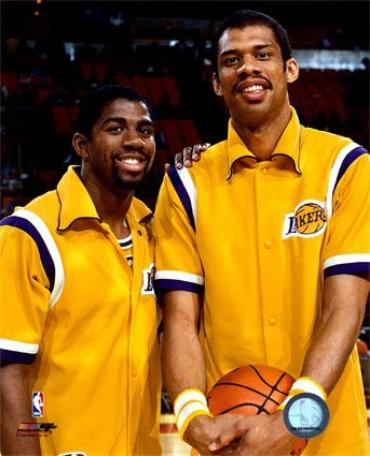
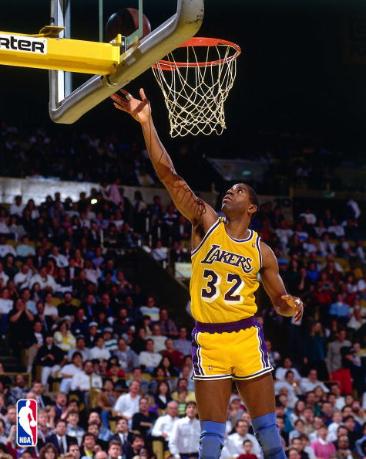
power was basketball star Ervin Magic Johnson. Everywhere he went he won championships. At Michigan State
University the 1979 basketball team dominated the college ranks by winning the NCAA championship. Yet, nobody
from that team went to the next level for long. Johnson left to the National Basketball Association (NBA) after his
sophomore season. He joined the struggling Los Angels Lakers and their aging center Kareem Abdul-Jabbar. In his
rookie season the six foot nine guard switched to center in the playoffs after Kareem suffered an injury. Johnson not
only filled the role of Kareem Abdul-Jabbar, but he led the team to an NBA championship in his first year. Ervin
Magic Johnson made everyone around him great by leading the NBA in assists. Johnson created a dynasty where
ever he went, regardless of the talent level around him. In fact when Ervin Johnson came to the Lakers, some were
wondering if Kareem Abdul-Jabbar was going to retire. Instead, Kareem’s career was resurrected and played
another ten years. Magic Johnson was the ultimate institutional leader and wasn’t afraid to give others the glory.
power was basketball star Ervin Magic Johnson. Everywhere he went he won championships. At Michigan State
University the 1979 basketball team dominated the college ranks by winning the NCAA championship. Yet, nobody
from that team went to the next level for long. Johnson left to the National Basketball Association (NBA) after his
sophomore season. He joined the struggling Los Angels Lakers and their aging center Kareem Abdul-Jabbar. In his
rookie season the six foot nine guard switched to center in the playoffs after Kareem suffered an injury. Johnson not
only filled the role of Kareem Abdul-Jabbar, but he led the team to an NBA championship in his first year. Ervin
Magic Johnson made everyone around him great by leading the NBA in assists. Johnson created a dynasty where
ever he went, regardless of the talent level around him. In fact when Ervin Johnson came to the Lakers, some were
wondering if Kareem Abdul-Jabbar was going to retire. Instead, Kareem’s career was resurrected and played
another ten years. Magic Johnson was the ultimate institutional leader and wasn’t afraid to give others the glory.
Leadership Theory
I identified countless theories on satisfying needs and creating motivation. Some
theories were basic and very broad in there definitions to analyze followers in the
workplace. For example Douglas McGregor defined followers into two separate
theories. “Theory X”, believes followers naturally dislike work, and must be forced to
work hard. Followers need direct supervision in the workplace. “Theory Y”, believes
followers naturally like work, and will perform well if the job is satisfying. I would
certainly describe my leadership philosophy in the “theory Y” category. The theory
also recognizes that each follower is at different levels of maturity. Some followers
may need tighter controls placed on them until the employee develops into a more
responsible worker. I’d prefer to save the hassle and only promote workers that
thrive under the leadership of “theory Y”. What good is an employee that needs
tight controls? If I need to implement strict controls on a particular worker, I will
demand improvement. An organizations goal is to make money, not to play a parent
role to their employees.
I identified countless theories on satisfying needs and creating motivation. Some
theories were basic and very broad in there definitions to analyze followers in the
workplace. For example Douglas McGregor defined followers into two separate
theories. “Theory X”, believes followers naturally dislike work, and must be forced to
work hard. Followers need direct supervision in the workplace. “Theory Y”, believes
followers naturally like work, and will perform well if the job is satisfying. I would
certainly describe my leadership philosophy in the “theory Y” category. The theory
also recognizes that each follower is at different levels of maturity. Some followers
may need tighter controls placed on them until the employee develops into a more
responsible worker. I’d prefer to save the hassle and only promote workers that
thrive under the leadership of “theory Y”. What good is an employee that needs
tight controls? If I need to implement strict controls on a particular worker, I will
demand improvement. An organizations goal is to make money, not to play a parent
role to their employees.
As the leader, I have the duty to identify employees with a good attitude that can be properly developed. The
employees with a poor attitude should be weeded out. Poor attitudes can spread like wildfire within an organization.
The remaining employees then know the limitations of behavior. As a leader, I have the duty to create a healthy and
positive working environment for my followers. Under positive working conditions followers feel freer to take more
responsibility. The followers feel more committed to their work objectives and feel closer to the organization. Most
importantly, “theory Y” builds trust between the leader, the organization and the follower. The best employees end
up staying longer which increases productivity and reduces expenses over the long term. The followers and leader
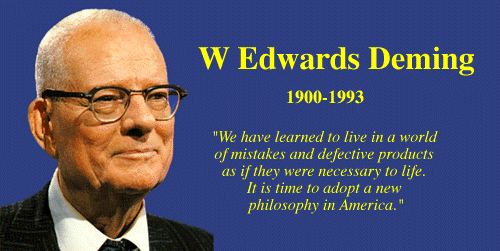
could then focus on developing and creating innovative and efficient systems. Although my argument is similar to
Deming’s (1981) “theory Z”, extreme loyalty between the organization and the follower I find very unreasonable in
the current competitive market and outsourcing. I prefer building trust rather than loyalty. Loyalty obligates
management to protecting jobs, rather than protecting the competitiveness of the company while building
shareholder value. Trust says as long as the employees work here, they will be treated with dignity and respect, yet
does not promise loyalty to the employees. An organization must consider all their stake holders when making
decisions.
employees with a poor attitude should be weeded out. Poor attitudes can spread like wildfire within an organization.
The remaining employees then know the limitations of behavior. As a leader, I have the duty to create a healthy and
positive working environment for my followers. Under positive working conditions followers feel freer to take more
responsibility. The followers feel more committed to their work objectives and feel closer to the organization. Most
importantly, “theory Y” builds trust between the leader, the organization and the follower. The best employees end
up staying longer which increases productivity and reduces expenses over the long term. The followers and leader
could then focus on developing and creating innovative and efficient systems. Although my argument is similar to
Deming’s (1981) “theory Z”, extreme loyalty between the organization and the follower I find very unreasonable in
the current competitive market and outsourcing. I prefer building trust rather than loyalty. Loyalty obligates
management to protecting jobs, rather than protecting the competitiveness of the company while building
shareholder value. Trust says as long as the employees work here, they will be treated with dignity and respect, yet
does not promise loyalty to the employees. An organization must consider all their stake holders when making
decisions.
Critics of both “X” and “Y” theories believe they are only the two extremes of
motivation, and that most fall in between the two. Although I agree with this
criticism, Douglas McGregor clearly states that the leader needs to develop the
followers into a “theory Y” environment. In other words, “theory Y” is a
progressive approach that adapts to the maturity level of the followers. In this
case, “theory Y” is an effective approach I truly believe in.
David McClelland (1975) describes a person’s needs are acquired over time and
are shaped by experiences in life. Many of these needs are separated into three
categories, the high need for achievement, a high need for affiliation, and a high
need for power. McCleland used the Thematic Apperception Test (TAT) to
measure individual needs of different people the TAT presents the subject with a
series of ambiguous pictures. The subject must develop a story for each picture.
The subject should project their own needs into the story. McClelland focuses on
the higher order of needs. Achievement and power are both on the higher end of
the accomplishment side. Affiliation focuses on the lower order of needs. Well
known motivational theories usually focus on the lower and middle part of
satisfying needs. I believe most people never achieve the top portion, so theorists
usually focus on the lower or middle end of the satisfying needs. McClelland skips
the lower end of needs, such as survival.
motivation, and that most fall in between the two. Although I agree with this
criticism, Douglas McGregor clearly states that the leader needs to develop the
followers into a “theory Y” environment. In other words, “theory Y” is a
progressive approach that adapts to the maturity level of the followers. In this
case, “theory Y” is an effective approach I truly believe in.
David McClelland (1975) describes a person’s needs are acquired over time and
are shaped by experiences in life. Many of these needs are separated into three
categories, the high need for achievement, a high need for affiliation, and a high
need for power. McCleland used the Thematic Apperception Test (TAT) to
measure individual needs of different people the TAT presents the subject with a
series of ambiguous pictures. The subject must develop a story for each picture.
The subject should project their own needs into the story. McClelland focuses on
the higher order of needs. Achievement and power are both on the higher end of
the accomplishment side. Affiliation focuses on the lower order of needs. Well
known motivational theories usually focus on the lower and middle part of
satisfying needs. I believe most people never achieve the top portion, so theorists
usually focus on the lower or middle end of the satisfying needs. McClelland skips
the lower end of needs, such as survival.
People with a high need for achievement want to stand out, by avoiding low and high risk conditions.
Achievement clearly describes me. I only feel moderately comfortable doing work that has a moderate chance of
getting done successfully. I call this, “calculated risk”. The more risky the work becomes I need more feedback
from my leaders. When I don’t know my leader as well, I constantly need reassurance to know if I’m on the right
path and that I’m in good standing on the quality of work I do. The more I know the expectations and trust in a
leader, the more comfortable I feel in taking on greater amounts of work. I usually always get along with everyone,
but I still like to work alone, rather in groups. I believe the main reason is that I don’t want to let the group down. A
second reason is I have a creative imagination. Sometimes in a group my creativity is stifled in the confines of a
group. If I’m in a group, I prefer to have a separate time alone to reflect and generate ideas in creating solutions to
a problem. The few times I like to be in a group are when I’m in a group of people with similar views and philosophy
as myself. Not particularly in agreement, but trying to view problems from a different perspective than the common
way of doing things.
Achievement clearly describes me. I only feel moderately comfortable doing work that has a moderate chance of
getting done successfully. I call this, “calculated risk”. The more risky the work becomes I need more feedback
from my leaders. When I don’t know my leader as well, I constantly need reassurance to know if I’m on the right
path and that I’m in good standing on the quality of work I do. The more I know the expectations and trust in a
leader, the more comfortable I feel in taking on greater amounts of work. I usually always get along with everyone,
but I still like to work alone, rather in groups. I believe the main reason is that I don’t want to let the group down. A
second reason is I have a creative imagination. Sometimes in a group my creativity is stifled in the confines of a
group. If I’m in a group, I prefer to have a separate time alone to reflect and generate ideas in creating solutions to
a problem. The few times I like to be in a group are when I’m in a group of people with similar views and philosophy
as myself. Not particularly in agreement, but trying to view problems from a different perspective than the common
way of doing things.
Money is not the most important motivator for me. A positive working
environment is more important than an extra four or five thousand dollars per
year. My survival and basic needs must be met and have room for
advancement. Once all my basic needs are met, only then would I consider
pushing for more money. Clayton Alderfer an American psychologist who further
expanded Maslow's hierarchy of needs by categorizing the hierarchy into his
ERG theory (Existence, Relatedness and Growth). Alderfer categorized the lower
order needs (Physiological and Safety) into the Existence category. He fit
Maslow's interpersonal love and esteem needs into the relatedness category.
The growth category contained the Self Actualization and self esteem needs.
Alderfer also proposed a regression theory to go along with the ERG theory. He
said, when needs in a higher category are not met then individuals redouble the
efforts invested in a lower category need. For example if self actualization or self
esteem is not met then individuals will invest more effort in the relatedness
category in the hopes of achieving the higher need. Some continue to regress
and others continue to fluctuate up and down the need categories. Maslow's
hierarchy did not include a regression perspective.
Source: http://en.wikipedia.org/wiki/Clayton_Alderfer
environment is more important than an extra four or five thousand dollars per
year. My survival and basic needs must be met and have room for
advancement. Once all my basic needs are met, only then would I consider
pushing for more money. Clayton Alderfer an American psychologist who further
expanded Maslow's hierarchy of needs by categorizing the hierarchy into his
ERG theory (Existence, Relatedness and Growth). Alderfer categorized the lower
order needs (Physiological and Safety) into the Existence category. He fit
Maslow's interpersonal love and esteem needs into the relatedness category.
The growth category contained the Self Actualization and self esteem needs.
Alderfer also proposed a regression theory to go along with the ERG theory. He
said, when needs in a higher category are not met then individuals redouble the
efforts invested in a lower category need. For example if self actualization or self
esteem is not met then individuals will invest more effort in the relatedness
category in the hopes of achieving the higher need. Some continue to regress
and others continue to fluctuate up and down the need categories. Maslow's
hierarchy did not include a regression perspective.
Source: http://en.wikipedia.org/wiki/Clayton_Alderfer
Why is understanding the theories of needs help the marketplace? Understanding what motivates the stake
holders helps organizations meet their full potential, by setting goals and objectives by what the stake holders want.
Shareholders want a rising stock price, management wants efficiency, employees want a safe work environment with
competitive salaries, customers want quality products for a fair price, suppliers may want consistent buying to plan
for the future.
holders helps organizations meet their full potential, by setting goals and objectives by what the stake holders want.
Shareholders want a rising stock price, management wants efficiency, employees want a safe work environment with
competitive salaries, customers want quality products for a fair price, suppliers may want consistent buying to plan
for the future.
The Need for Power
People with the need for power either have personal or institutional needs. Needs for personal power has a desire
to control and influence others.
These people are confident in their abilities because they know their own strengths and weaknesses, and trust
their own judgment. They often do not trust other people’s abilities, so they naturally want to be in charge. They
enjoy the higher status positions and love the competitive nature of business. McClelland does admit however that
their enjoyment of prestige can get in the way of their effectiveness. But overall, McClelland viewed these
characteristics as very healthy. I firmly disagree with McClelland on this issue. As a follower in many organizations
I’ve worked around people with a need for personal power. I’ve found these people are capable of doing anything
to gain personal power. They walk a fine line of confidence and arrogance. These individuals are not only alpha
type personalities but are very aggressive and are never content with their status within an organization until they
have reached the status they deserve. Everything is centered on them. Everyone else is going to feel miserable
until they get what they want. Who wants a leader like that over them? These types of leaders are the last to
empower others and the first to raise them selves up. These are the same people that feel they are irreplaceable,
and things just would not get done without them. They lead based on politics instead of the organizations goals
and objectives. They end up hiring people that only go along with their agenda, rather than expressing their own
views.
People with the need for power either have personal or institutional needs. Needs for personal power has a desire
to control and influence others.
These people are confident in their abilities because they know their own strengths and weaknesses, and trust
their own judgment. They often do not trust other people’s abilities, so they naturally want to be in charge. They
enjoy the higher status positions and love the competitive nature of business. McClelland does admit however that
their enjoyment of prestige can get in the way of their effectiveness. But overall, McClelland viewed these
characteristics as very healthy. I firmly disagree with McClelland on this issue. As a follower in many organizations
I’ve worked around people with a need for personal power. I’ve found these people are capable of doing anything
to gain personal power. They walk a fine line of confidence and arrogance. These individuals are not only alpha
type personalities but are very aggressive and are never content with their status within an organization until they
have reached the status they deserve. Everything is centered on them. Everyone else is going to feel miserable
until they get what they want. Who wants a leader like that over them? These types of leaders are the last to
empower others and the first to raise them selves up. These are the same people that feel they are irreplaceable,
and things just would not get done without them. They lead based on politics instead of the organizations goals
and objectives. They end up hiring people that only go along with their agenda, rather than expressing their own
views.
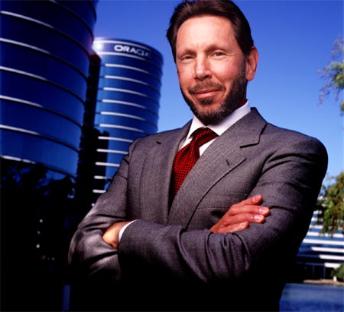
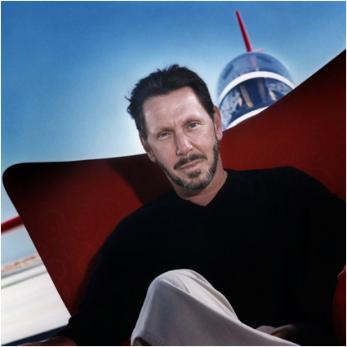
Oracle CEO Larry Ellison has run the company with an iron fist. As co-founder of the software company, Ellison
took the company public in March of 1986 and has built a billion dollar empire. In fact, if you would have invested
five thousand dollars in Oracle in 1986, you would be a millionaire today. Yes, that is after the bubble burst in
1999.
In Larry Ellison’s case, his credibility and ego rose along with the inflated price of the stock. Whenever Wall Street
thought their might be a successor to Ellison, the candidates found themselves on the outside looking in. Indeed
Ellison has created a notorious reputation as one of the largest egos on Wall Street. Ellison’s, “my way or the
highway”, attitude has created an enormous revolving door of talented executives. Former Oracle executives
have created many new companies in which directly compete with Oracle’s large market share.
took the company public in March of 1986 and has built a billion dollar empire. In fact, if you would have invested
five thousand dollars in Oracle in 1986, you would be a millionaire today. Yes, that is after the bubble burst in
1999.
In Larry Ellison’s case, his credibility and ego rose along with the inflated price of the stock. Whenever Wall Street
thought their might be a successor to Ellison, the candidates found themselves on the outside looking in. Indeed
Ellison has created a notorious reputation as one of the largest egos on Wall Street. Ellison’s, “my way or the
highway”, attitude has created an enormous revolving door of talented executives. Former Oracle executives
have created many new companies in which directly compete with Oracle’s large market share.
When CEO’s gain credibility like Larry Ellison has, they
have two options:
1. Take the credibility and empower others to reach
the organizational goals and the company’s vision.
2. Take the credibility to entrench themselves in as
CEO for years to come.
Obviously Ellison chose the later.
What happens if Larry Ellison suddenly dies or can’t
perform his duties? The company will falter to a second
rate software company, while searching for another leader
with the direction. Great CEO’s and the Board of Directors
should always have a handful of names that could step in
and takeover with little transition.
If I became CEO of Oracle I’d implement a two front
offensive to improve the leadership problem. The first
would be the implementation of an executive development
program. One of the most important positions in Oracle
would be the Human Resource Director. The best leaders
and developers with the proper resources can create a
great software company. You can’t make it happen without
a good relationship between the CEO and the H.R.
Director. One of the highest leadership directives is hiring
the right people with the right character, and competence.
have two options:
1. Take the credibility and empower others to reach
the organizational goals and the company’s vision.
2. Take the credibility to entrench themselves in as
CEO for years to come.
Obviously Ellison chose the later.
What happens if Larry Ellison suddenly dies or can’t
perform his duties? The company will falter to a second
rate software company, while searching for another leader
with the direction. Great CEO’s and the Board of Directors
should always have a handful of names that could step in
and takeover with little transition.
If I became CEO of Oracle I’d implement a two front
offensive to improve the leadership problem. The first
would be the implementation of an executive development
program. One of the most important positions in Oracle
would be the Human Resource Director. The best leaders
and developers with the proper resources can create a
great software company. You can’t make it happen without
a good relationship between the CEO and the H.R.
Director. One of the highest leadership directives is hiring
the right people with the right character, and competence.
The second front would create a challenging work
environment which can bring out the most potential in
executives. Empowering and challenging these executives
would also improve the bottom line by reducing the soft
costs involved when losing talent. The new environment
would build on the talent with fresh ideas.
I experienced these people in many work environments,
and I found them counter productive to the overall team.
McClelland would rebuttal my viewpoint by pointing out;
these people need to be placed in higher roles to be
happy. But I say, institutional power has a desire to
organize others to further the goals and objectives of the
overall organization. I believe institutional power tends to
be more effective than personal power. I prefer
institutional power because it leverages everyone’s abilities
for the cause of the entire organization.
environment which can bring out the most potential in
executives. Empowering and challenging these executives
would also improve the bottom line by reducing the soft
costs involved when losing talent. The new environment
would build on the talent with fresh ideas.
I experienced these people in many work environments,
and I found them counter productive to the overall team.
McClelland would rebuttal my viewpoint by pointing out;
these people need to be placed in higher roles to be
happy. But I say, institutional power has a desire to
organize others to further the goals and objectives of the
overall organization. I believe institutional power tends to
be more effective than personal power. I prefer
institutional power because it leverages everyone’s abilities
for the cause of the entire organization.




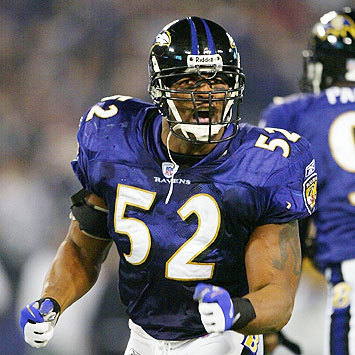
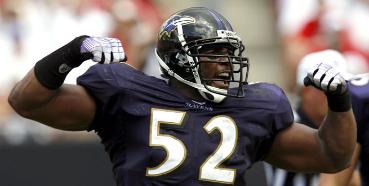
Another great institutional leader is linebacker Ray Lewis
of the Baltimore Ravens. Ray inspires his team mates
with passion, excellent performance and pure intensity.
Each leader has their own traits, but one thing is for sure,
Ray Lewis and Magic Johnson make the people around
them better while utilizing the teams potential to reach the
organizations goals. They're every coach and fan's
dream to inspire a winning attitude.
of the Baltimore Ravens. Ray inspires his team mates
with passion, excellent performance and pure intensity.
Each leader has their own traits, but one thing is for sure,
Ray Lewis and Magic Johnson make the people around
them better while utilizing the teams potential to reach the
organizations goals. They're every coach and fan's
dream to inspire a winning attitude.