| Detecting Enemy Missile Launch at Boost Phase |
United States national security is being threatened by improved missile capabilities by terrorist states such as Cuba, North Korea, Iran and Syria. The
United States and allies are demanding a system that can detect an enemy missile launch during the initial boost phase. The initial boost phase of a
missile is the hottest point of the launch process; therefore heat sensors could find the target and destroy the missile over enemy territory.
The Department of Defense, along with the help of Boeing and Lockheed are designing the new Airborne Laser (ABL), which will quickly destroy
enemy missiles with a laser weapon. The one dilemma the project faced was the earth’s atmosphere. A laser weapon placed on a satellite could not
be powerful enough to penetrate the earth’s atmosphere. Boeing designers instead designed the laser weapon within a Boeing 747 with the laser
weapon replacing the aircrafts nose cone.
The Boeing 747 gave the ABL designers the ability to bypass the atmosphere dilemma.
However, new technology is giving the ABL designers more options and capabilities.
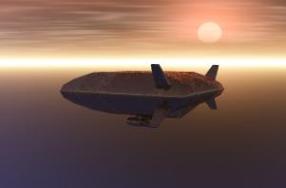
The new Stratellite should replace the Boeing 747 and allow the Airborne Laser to monitor enemy territory from international and friendly boundaries
24 hours a day. The key to this Stratellite system is the use of multiple Stratellites combined to form a network that will be much more powerful than
anything previously imagined. Once this Stratellite network system is in place, the ABL project will not be limited to just missiles. In fact, it is possible
that the system could also be an anti-aircraft network.
It is no coincidence that the two projects are located at the same site, Edwards Air Force Base in California.
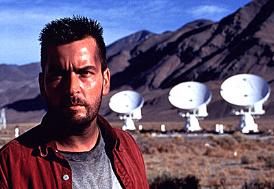
Similar to a network of small satellite dishes which create a much larger and stronger signal, a Stratellite network would be a formidable weapon that will
change the way we fight wars forever.
If you need to understand the current satellite network systems, watch the movie “Contact” and “The Arrival”, to better understand how signals are
increased with the help of a network.
United States and allies are demanding a system that can detect an enemy missile launch during the initial boost phase. The initial boost phase of a
missile is the hottest point of the launch process; therefore heat sensors could find the target and destroy the missile over enemy territory.
The Department of Defense, along with the help of Boeing and Lockheed are designing the new Airborne Laser (ABL), which will quickly destroy
enemy missiles with a laser weapon. The one dilemma the project faced was the earth’s atmosphere. A laser weapon placed on a satellite could not
be powerful enough to penetrate the earth’s atmosphere. Boeing designers instead designed the laser weapon within a Boeing 747 with the laser
weapon replacing the aircrafts nose cone.
The Boeing 747 gave the ABL designers the ability to bypass the atmosphere dilemma.
However, new technology is giving the ABL designers more options and capabilities.
The new Stratellite should replace the Boeing 747 and allow the Airborne Laser to monitor enemy territory from international and friendly boundaries
24 hours a day. The key to this Stratellite system is the use of multiple Stratellites combined to form a network that will be much more powerful than
anything previously imagined. Once this Stratellite network system is in place, the ABL project will not be limited to just missiles. In fact, it is possible
that the system could also be an anti-aircraft network.
It is no coincidence that the two projects are located at the same site, Edwards Air Force Base in California.
Similar to a network of small satellite dishes which create a much larger and stronger signal, a Stratellite network would be a formidable weapon that will
change the way we fight wars forever.
If you need to understand the current satellite network systems, watch the movie “Contact” and “The Arrival”, to better understand how signals are
increased with the help of a network.