| Matthew's Strategy for Metal Storm |
| What is the Solution? |
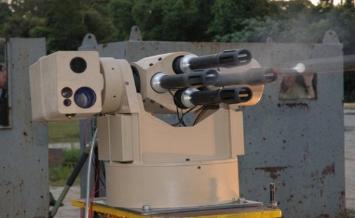
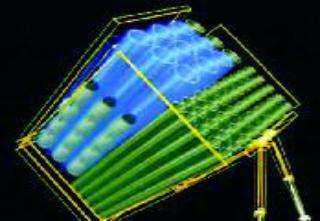
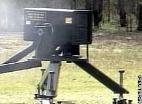
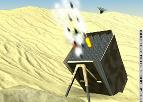
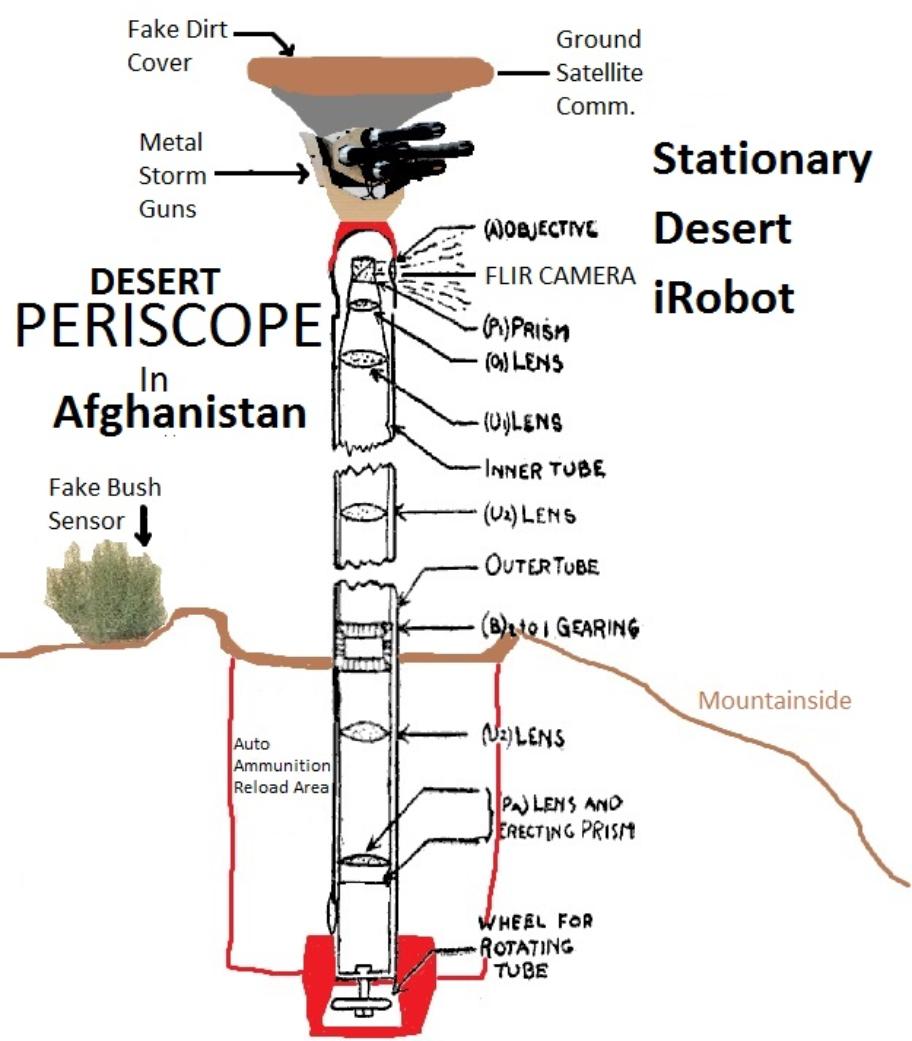
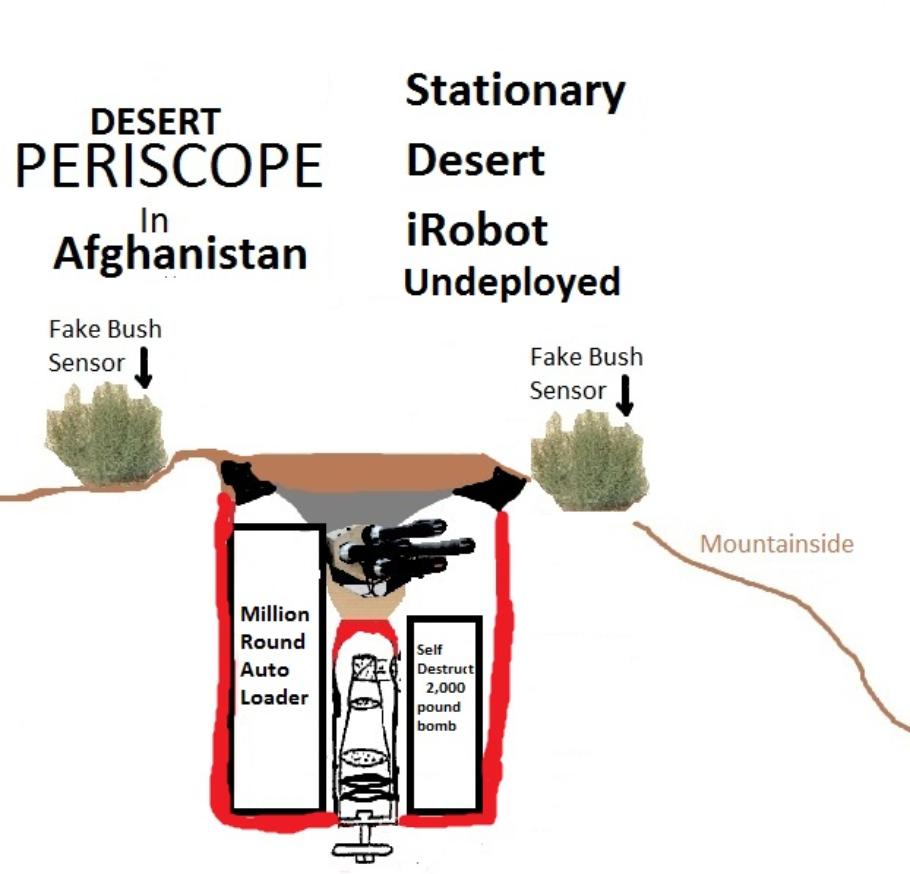
Metal Storm needs to design an underground weapon which can be buried along the hills of the forbidden zone in Pakistan. At night
the weapon would be able to rise above ground and monitor peaks and valleys similar to a submarines periscope. When the enemy
is identified the underground weapon would engage the enemy with deadly results.
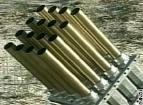
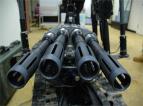
Flir System cameras would be the eyes and ears, while Metal Storm would be the teeth to attack the enemy. Another feature would
include the LRAD Combat Loudspeaker, which could deafen or deceive the enemy forces. When a network of these weapons are
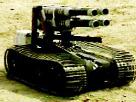
installed, they could support each other without any assistance from foot soldiers in the field. Such a weapon would demoralize an
enemy. Nobody wants to fight a robotic weapon controlled by satellite.
The enemy would not even know where the attack is coming from, so the enemy would not know where to run or return fire.
Because the Desert Periscope is deployed on top of a mountain, the range is dramatically increased. Entire regions will be
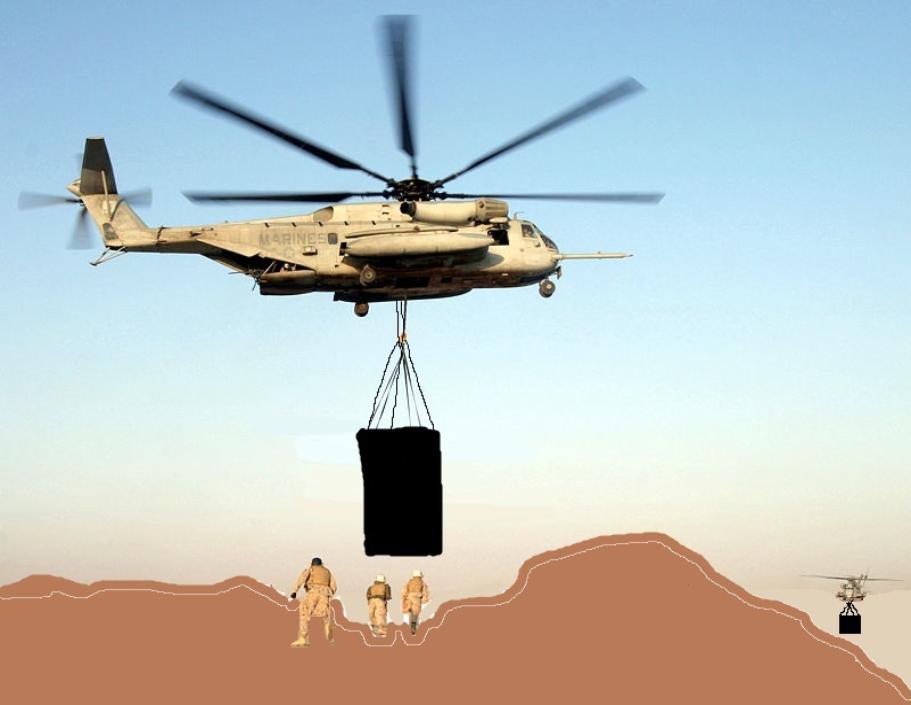
controlled without foot soldiers in the region. The Desert Periscope would be perfect for a smaller military branch such as the
Marines, due to their limited numbers. The Desert Periscope network would communicate to foot soldiers, UAV's, aircraft, and
satellites. It would become another communication link in Network Centric Warfare strategy.
The following companies will need to partner to make this technology work.
1. Metal Storm
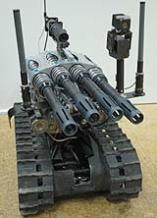
2. iRobot
3. LRAD Corporation
4. Kollmorgen Electro-Optical
5. FLIR Systems
the weapon would be able to rise above ground and monitor peaks and valleys similar to a submarines periscope. When the enemy
is identified the underground weapon would engage the enemy with deadly results.
Flir System cameras would be the eyes and ears, while Metal Storm would be the teeth to attack the enemy. Another feature would
include the LRAD Combat Loudspeaker, which could deafen or deceive the enemy forces. When a network of these weapons are
installed, they could support each other without any assistance from foot soldiers in the field. Such a weapon would demoralize an
enemy. Nobody wants to fight a robotic weapon controlled by satellite.
The enemy would not even know where the attack is coming from, so the enemy would not know where to run or return fire.
Because the Desert Periscope is deployed on top of a mountain, the range is dramatically increased. Entire regions will be
controlled without foot soldiers in the region. The Desert Periscope would be perfect for a smaller military branch such as the
Marines, due to their limited numbers. The Desert Periscope network would communicate to foot soldiers, UAV's, aircraft, and
satellites. It would become another communication link in Network Centric Warfare strategy.
The following companies will need to partner to make this technology work.
1. Metal Storm
2. iRobot
3. LRAD Corporation
4. Kollmorgen Electro-Optical
5. FLIR Systems
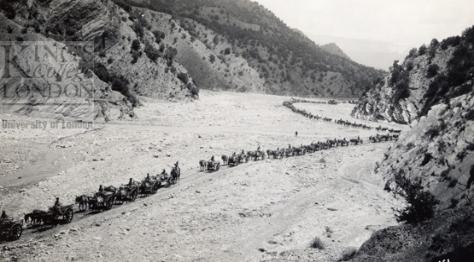
The region was an independent tribal territory from 1893, remaining outside of
British-ruled empire and Afghanistan. Tribal raiding into British-ruled territory was a
constant problem for the British, eliciting frequent punitive expeditions between
1860 and 1945. The region became part of Pakistan in 1947.
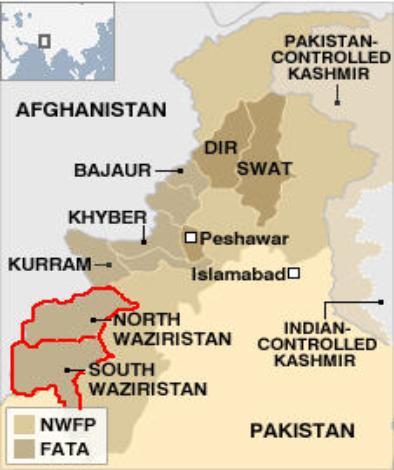
Waziristan is divided into two "agencies", North Waziristan and South Waziristan,
with estimated populations (as of 1998) of 361,246 and 429,841 respectively. The
two parts have quite distinct characteristics, though both tribes are subgroups of
the Waziris and speak a common Waziri language. They have a formidable
reputation as warriors and are known for their frequent blood feuds. Traditionally,
feuding local Waziri religious leaders have enlisted outsiders in the Pakistani
government, and U.S. forces hunting Al-Qaeda fugitives, in attempts at
score-settling. The tribes are divided into sub-tribes governed by male village
elders who meet in a tribal jirga. Socially and religiously Waziristan is an extremely
conservative area. Women are carefully guarded, and every household must be
headed by a male figure.
Video 1
British-ruled empire and Afghanistan. Tribal raiding into British-ruled territory was a
constant problem for the British, eliciting frequent punitive expeditions between
1860 and 1945. The region became part of Pakistan in 1947.
Waziristan is divided into two "agencies", North Waziristan and South Waziristan,
with estimated populations (as of 1998) of 361,246 and 429,841 respectively. The
two parts have quite distinct characteristics, though both tribes are subgroups of
the Waziris and speak a common Waziri language. They have a formidable
reputation as warriors and are known for their frequent blood feuds. Traditionally,
feuding local Waziri religious leaders have enlisted outsiders in the Pakistani
government, and U.S. forces hunting Al-Qaeda fugitives, in attempts at
score-settling. The tribes are divided into sub-tribes governed by male village
elders who meet in a tribal jirga. Socially and religiously Waziristan is an extremely
conservative area. Women are carefully guarded, and every household must be
headed by a male figure.
Video 1
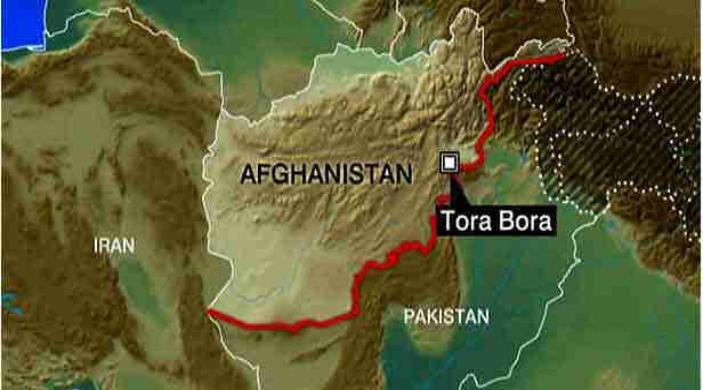
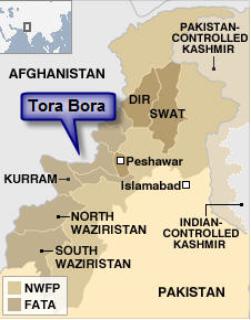
Tora Bora, Afghanistan
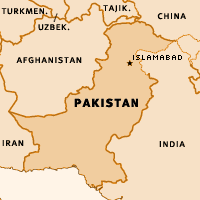
The northern Pakistan border with Afghanistan is known as the forbidden
zone, where foreigners are not welcome. In fact, even the Pakistan
military has no control in the area. This forbidden zone is separated into 5
different regions. These regions are known as the birth place of
Al-Qaeda, and the suspected whereabouts of Osama Bin Laden and
Ayman Al-Zawahiri. These two terror leaders are known as the heart and
soul of Al-Qaeda.
zone, where foreigners are not welcome. In fact, even the Pakistan
military has no control in the area. This forbidden zone is separated into 5
different regions. These regions are known as the birth place of
Al-Qaeda, and the suspected whereabouts of Osama Bin Laden and
Ayman Al-Zawahiri. These two terror leaders are known as the heart and
soul of Al-Qaeda.

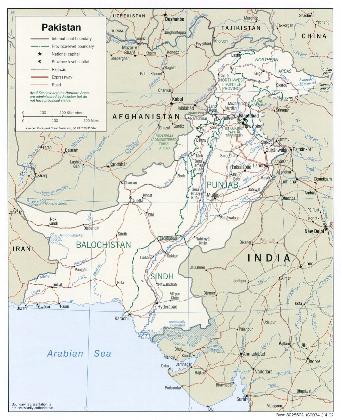
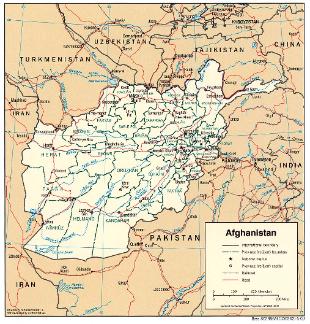
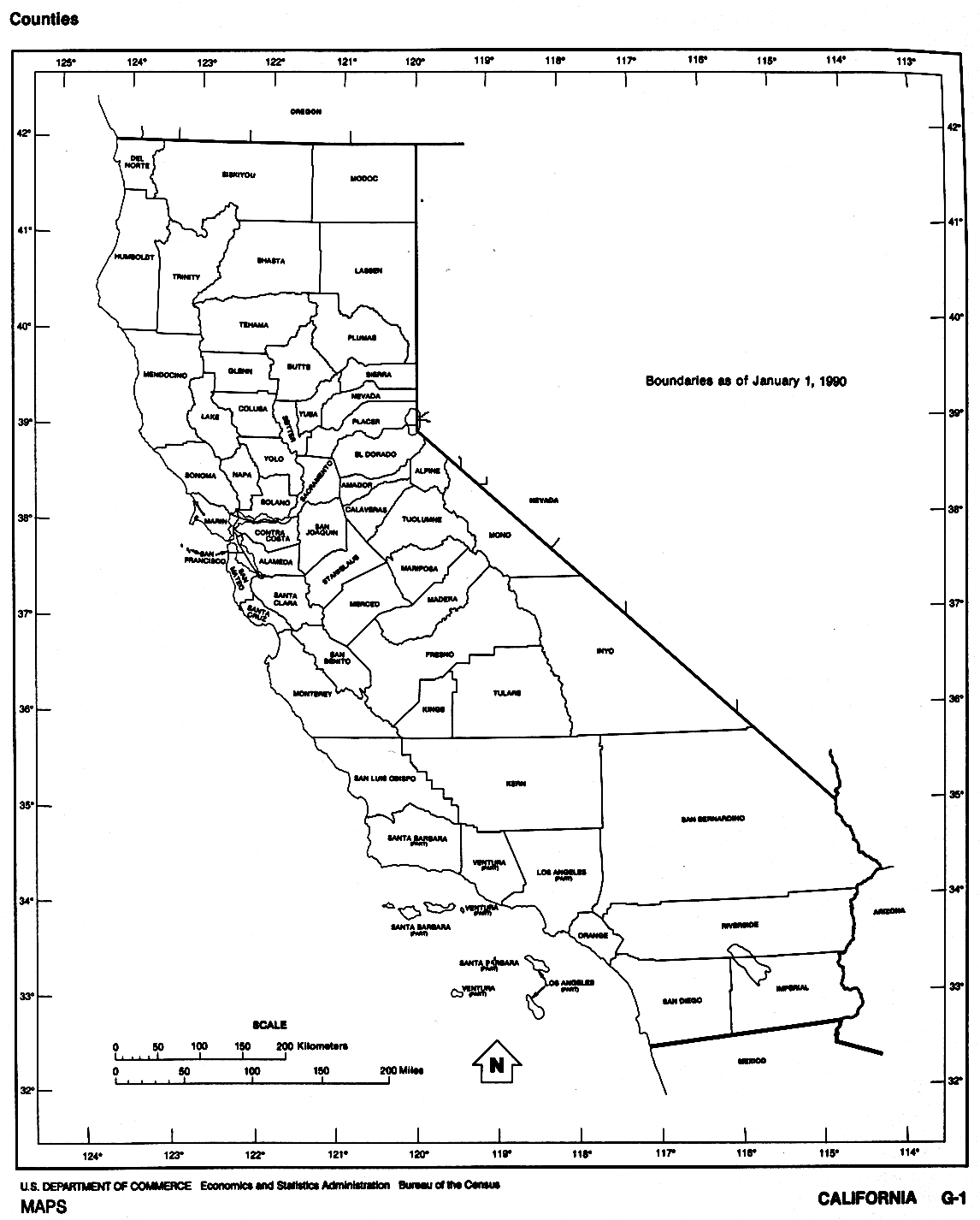
Pakistan and Afghanistan are each about the size of California.
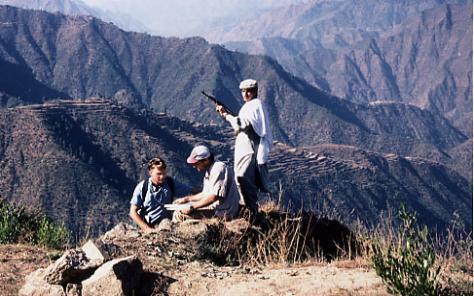
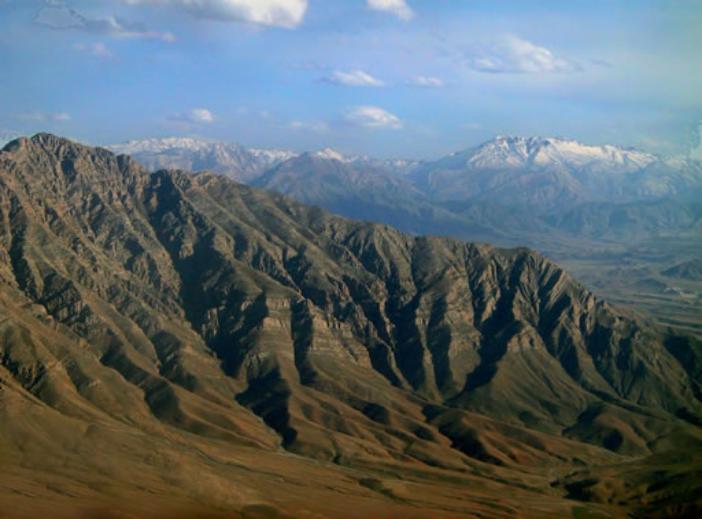
The Forbidden Zone is mountainous countryside, full of mountains, hills
and valleys. The limited cover from the sky required the majahdeen
freedom fighters, and terror groups to build large tunnel systems
underground, and to utilize caves within the mountainside.
and valleys. The limited cover from the sky required the majahdeen
freedom fighters, and terror groups to build large tunnel systems
underground, and to utilize caves within the mountainside.
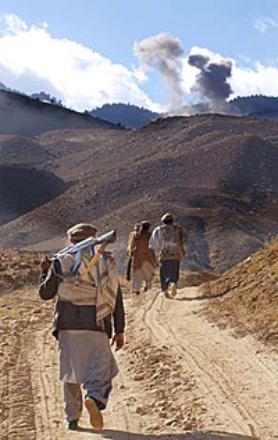
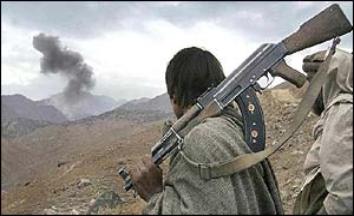
Such a landscape is ripe for snipers, and ambushes. The old crumbling
road system is highly vulnerable for roadside bombs. These passages
need an all seeing eye such as infrared and night vision optics, capable
of zooming in on enemy activity.
road system is highly vulnerable for roadside bombs. These passages
need an all seeing eye such as infrared and night vision optics, capable
of zooming in on enemy activity.
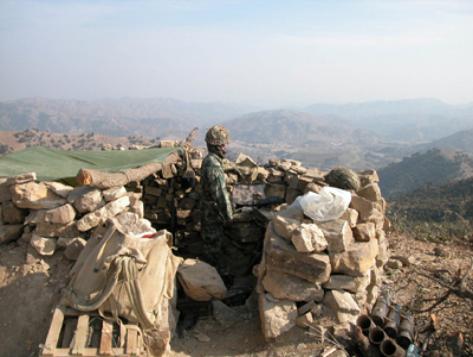
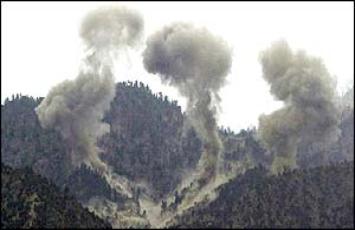
This photo was taken near the border
of Tora Bora, Afghanistan.
of Tora Bora, Afghanistan.
| The Desert Periscope will only take 24 hours to deploy. |