| |  | |  | |  | |  |
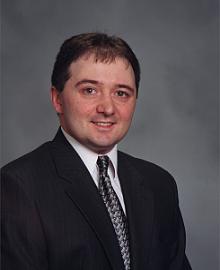
| I graduated near the top of my class at Northwood University with a business degree, and a grade point of 3.63 average. Great organizations are made up of selfless employees willing to get the job done, without needing to be managed. I want to be apart of a great organization that can challenge me. I've chosen Spring Arbor University for my graduate degree. -Matthew 4/04/06 |
| ACCOMPLISHMENTS |
| MY SCHOOL RESEARCH |


| My Stock Market Ratings Aug 2005 General Dynamics (GD) STRONG BUY $63.90 Per Share Target $100 (3 years) Digital Angel (DOC) BUY $3.00 Per Share Target $15 (3 years) Ford Motor Corp. (F) STRONG BUY $8.42 Per Share Target $18 (3 years) Sony Corp. (SNE) STRONG BUY $32.94 Per Share Target $60 (3 years) BUY $55.96 Per Share Target $90 (3 years) MB TECH (MBTT.OB) BUY $0.04 Per Share Target $4 (3 years) eMerge Interactive (EMRG) WATCH LIST $0.42 Per Share High Risk IMAX Corp. (IMAX) WATCH LIST $8.02 Per Share Target $25 (3 years) XM Satellite Radio (XMSR) STRONG BUY $28 Per Share Target $70 (3 years) General Motors (GM) BUY $18.90 Per Share Target $35 (3 years) ABX Air (ABXA) BUY $6.50 Per Share Medium Risk Sirius Satellite Radio (SIRI) STRONG SELL $6.94 Per Share Medium Risk |


| The Kyoto Protocol What is it? What's the Problem? The Solutions! |

| The Problems Within Disney 2004 |
| International Business The assignment was to find a possible site for a manufacturing position of Vice President of Global Operations at Freightliner. |

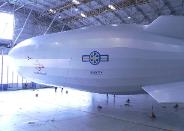
| GlobeTel Communications, parent company of Sanswire Networks is designing a rigid airship called, "The STRATellite". My Sanswire Marketing Strategy |
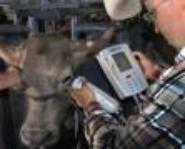
| eMerge Interactive, is a struggling company that helps farmers manage their livestock through an electronic software system. My eMerge Interactive Strategy |
| OTHER INTERESTS |

| 1. Raiders of the lost Ark (1981) 2. Gladiator (2000) A , B , C , D , E 3. Braveheart (1995) 4. Lord of the Rings Trilogy (2001-03) A , B , C 5. The Star Wars Saga (1977-2004) 6. Shawshank Redemption (1994) 7. Dances with Wolves (1992) 8. Rocky (1976) 9. Jaws (1975) A , B 10. The Passion of the Christ (2004) A,B,C,D,E 11. Ben-Hur (1959) 12. The Thing (1982) A 13. The Paper Chase (1973) A 14. Wall Street (1987) A 15. Rudy (1993) A , B 16. The Green Mile (1999) 17. Close Encounters of the Third Kind (1977) A 18. The Outlaw Josey Wales (1976) 19. The Ten Commandments (1956) 20. Romancing the Stone (1984) 21. Predator (1987) A , 22. Contact (1997) 23. Stargate (1994) 24. Tombstone (1993) 25. The Natural (1984) |

| BOOK RECOMMENDATIONS |
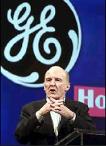
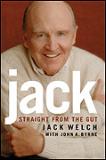
| Former CEO of General Electric |
Jack Welch, former CEO of General Electric
discusses how he became CEO, and how he
molded GE into one of the best performing
bluechip companies in the world.
Get involved, ask tough questions, set goals for
your employees, and follow through!
What a great story!
discusses how he became CEO, and how he
molded GE into one of the best performing
bluechip companies in the world.
Get involved, ask tough questions, set goals for
your employees, and follow through!
What a great story!

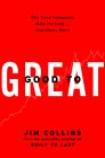
Jim Collins analyzes 11 companies that separated
themselves from their competitors with long
sustaining growth.
What made these good companies become great?
This book will challenge you to become great, and
not settle for second place.
themselves from their competitors with long
sustaining growth.
What made these good companies become great?
This book will challenge you to become great, and
not settle for second place.
| The Media Trainers are a great resource for business executives. Example Executive Interviews Good and Bad Executive Interviews |
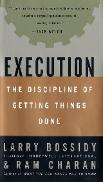
Execution is underestimated in the business world
today. Without proper execution companies can
not be successful.
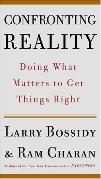
Larry and Ram do an excellent job of using case
study to show bad and great execution.
today. Without proper execution companies can
not be successful.
Larry and Ram do an excellent job of using case
study to show bad and great execution.
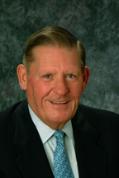
Mr. Lawrence A. Bossidy
CEO of AlliedSignal from 1991
1999, when he became
Chairman of Honeywell
Chairman of Honeywell
following the historic merger of
following the historic merger of
AlliedSignal and Honeywell in
December, 1999. He retired
from the company in April
2000. He returned on July 3,
2001, as Chairman and CEO
of Honeywell International Inc.,
following General Electric's
prolonged and unsuccessful
attempt to acquire Honeywell.
CEO of AlliedSignal from 1991
1999, when he became
Chairman of Honeywell
Chairman of Honeywell
following the historic merger of
following the historic merger of
AlliedSignal and Honeywell in
December, 1999. He retired
from the company in April
2000. He returned on July 3,
2001, as Chairman and CEO
of Honeywell International Inc.,
following General Electric's
prolonged and unsuccessful
attempt to acquire Honeywell.
bureaucracy. A Realistic approach to finding
corporate weaknesses, fighting competition,
setting a realistic vision for the future.
In todays fast paced market you have to know
where your at, where your going and how it
compares to the competition.
Leaders examine the facts and come up with
objective conclusions regardless of negative or
positive findings.
corporate weaknesses, fighting competition,
setting a realistic vision for the future.
In todays fast paced market you have to know
where your at, where your going and how it
compares to the competition.
Leaders examine the facts and come up with
objective conclusions regardless of negative or
positive findings.
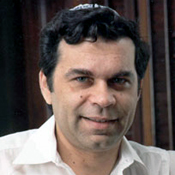
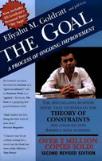
"The Goal", tells the story of a troubled
manufacturing plant and the General Manager
who tries solving the problems.
This book is perfect for managers in the
manufacturing industry!
Eli Goldratt made a textbook into an interesting
story. This is a book you must read cover to
cover!
manufacturing plant and the General Manager
who tries solving the problems.
This book is perfect for managers in the
manufacturing industry!
Eli Goldratt made a textbook into an interesting
story. This is a book you must read cover to
cover!
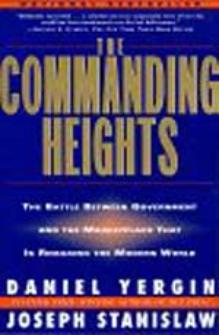
This book tells a story of globalization and how each country responds
differently in philosophy to economics.
From a centralized economy built around the government, to the past,
present, and future of the world economy.
differently in philosophy to economics.
From a centralized economy built around the government, to the past,
present, and future of the world economy.
| Commanding Heights |
| Ch. 49 Ch. 50 Ch. 51 Ch. 52 Ch. 53 Ch. 54 Ch. 55 Ch. 56 Ch. 57 Ch. 58 Ch. 59 Ch. 60 Ch. 61 Ch. 62 Ch. 63 |
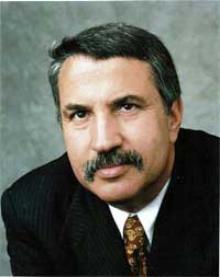
Three-time Pulitzer Prize-winning author
and journalist Thomas Friedman joined The
New York Times in 1981 as a financial
reporter specializing in OPEC and
oil-related news. He later served in
succession as the chief diplomatic, chief
White House, and international economics
correspondent. Since 1995 he has written
the twice-weekly New York Times foreign
affairs column that is syndicated to 700
other newspapers worldwide. He is the
recipient of the National Book Award for
From Beirut to Jerusalem (1989) and has
won multiple Overseas Press Club Awards
for that and other books. His most recent
book is the best-seller, "The World Is Flat".
and journalist Thomas Friedman joined The
New York Times in 1981 as a financial
reporter specializing in OPEC and
oil-related news. He later served in
succession as the chief diplomatic, chief
White House, and international economics
correspondent. Since 1995 he has written
the twice-weekly New York Times foreign
affairs column that is syndicated to 700
other newspapers worldwide. He is the
recipient of the National Book Award for
From Beirut to Jerusalem (1989) and has
won multiple Overseas Press Club Awards
for that and other books. His most recent
book is the best-seller, "The World Is Flat".

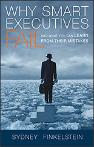
Sydney Finkelstein is the Steven Roth Professor of Management at
Dartmouth's Tuck School of Business. He is widely known as one of
the top authorities on strategy and leadership. His group is one of the
highest rated at Tuck, and it has helped to propel Dartmouth's Tuck
School to somewhere near the top of recent business school
ratings—including the number one spot in the most recent Wall
Street Journal ranking.
Sydney Finkelstein is Director of the Tuck Executive Program and a
leading figure in worldwide executive education. He created the highly
successful Strategic Leadership program for senior executives at the
Australian Graduate School of Management. He has taught in
executive education programs in Mexico, Finland, England, France,
Italy, Poland, China, and Vietnam, as well as throughout the United
States.
Dartmouth's Tuck School of Business. He is widely known as one of
the top authorities on strategy and leadership. His group is one of the
highest rated at Tuck, and it has helped to propel Dartmouth's Tuck
School to somewhere near the top of recent business school
ratings—including the number one spot in the most recent Wall
Street Journal ranking.
Sydney Finkelstein is Director of the Tuck Executive Program and a
leading figure in worldwide executive education. He created the highly
successful Strategic Leadership program for senior executives at the
Australian Graduate School of Management. He has taught in
executive education programs in Mexico, Finland, England, France,
Italy, Poland, China, and Vietnam, as well as throughout the United
States.

Jayna Davis has become a world renowned investigative reporter
that uncovered the biggest story of our time. Jayna is challenging
some of the most powerful people in America with clear unbending
fortitude. This book will make you realize, things aren't always what
the media portrays.
that uncovered the biggest story of our time. Jayna is challenging
some of the most powerful people in America with clear unbending
fortitude. This book will make you realize, things aren't always what
the media portrays.
world could use more enthusiastic graduates of your caliber.
Tremendous thanks for your concern and tenaciousness."
All the best,
Jayna Davis
Tremendous thanks for your concern and tenaciousness."
All the best,
Jayna Davis
| Jayna Davis Author of: The Third Terrorist |
| CURRENTLY READING |
| Creating Value Through Corporate Restructuring: Case Studies in Bankruptcies, Buyouts, and Breakups: Case Studies in Bankruptcies, Buyouts, Breakups by Stuart C. Gilson |
A collection of case studies illustrates real-world techniques,
implementation, and strategies on corporate restructuring. Over the
period 1981-1998, public companies with combined assets of over
half a trillion dollars filed for Chapter 11 bankruptcy. Over the same
period, over 400 public companies underwent corporate spin-offs,
involved in corporate restructuring. Gilson's cases studies have been
used extensively in executive programs and are perfect tools to refer
to when faced with real-world corporate restructuring issues.
Stuart C. Gilson (Boston, MA) is an Associate Professor at Harvard
University and a widely acknowledged expert on corporate
restructuring. He has studied and published on the intricacies of both
domestic and international corporate restructuring.
implementation, and strategies on corporate restructuring. Over the
period 1981-1998, public companies with combined assets of over
half a trillion dollars filed for Chapter 11 bankruptcy. Over the same
period, over 400 public companies underwent corporate spin-offs,
involved in corporate restructuring. Gilson's cases studies have been
used extensively in executive programs and are perfect tools to refer
to when faced with real-world corporate restructuring issues.
Stuart C. Gilson (Boston, MA) is an Associate Professor at Harvard
University and a widely acknowledged expert on corporate
restructuring. He has studied and published on the intricacies of both
domestic and international corporate restructuring.
| THE CEO's VIEW |
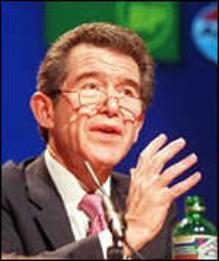
John Browne Holds a degree in Physics from Cambridge University
and an MS in Business from Stanford University, California. Lord and
1983, he held a variety of Exploration and Production posts in
Anchorage, New York, San Francisco, London and Canada.
In September 1991, he joined the board of BP as a managing director.
He was appointed group chief executive on June 10, 1995. Following
the merger of BP and Amoco, he became group chief executive of BP
Amoco on December 31, 1998.
BP is the leader of oil companies when researching and developing
future alternative fuels. They at least have a better social perception
or reputation then their oil competitors.
and an MS in Business from Stanford University, California. Lord and
1983, he held a variety of Exploration and Production posts in
Anchorage, New York, San Francisco, London and Canada.
In September 1991, he joined the board of BP as a managing director.
He was appointed group chief executive on June 10, 1995. Following
the merger of BP and Amoco, he became group chief executive of BP
Amoco on December 31, 1998.
BP is the leader of oil companies when researching and developing
future alternative fuels. They at least have a better social perception
or reputation then their oil competitors.
| CEO of British Petroleum John Browne May 2005 |
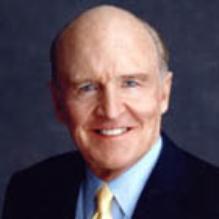
After graduating in 1960 Welch joined General Electric as a Chemical
Chairman and CEO of GE, making him the eighth and youngest
leader.
During his 20 year reign of General Electric, one of Americas largest
and most well known companies Jack Welch's management skills
became almost legendary. His no nonsense leadership style gave him
a reputation of being hard, even ruthless, but also fair when making
business decisions.
Welch had little time for bureaucracy and archaic business ways. If
managers didn't change they were replaced with someone that could
change. Managers were given free reign as long as they followed the
GE ethic of constant change and striving to do better. He ran GE like
a small dynamic business able to change as opportunities arose or
when a business become unprofitable.
In his pursuit to change and streamline the General Electric giant
Welch once earned the nickname of Neutron Jack. More than 100,000
GE employees had their jobs taken from them during his reign. GE
businesses had to be the best performing business in their field or
they were sold.
General Electric saw great growth and expansion under Jack Welch's
leadership. Through streamlining operations, acquiring new
businesses, and ensuring that each business under the GE umbrella
was one of the best in its field the company was able expand
dramatically from 1981 to 2001.
Chairman and CEO of GE, making him the eighth and youngest
leader.
During his 20 year reign of General Electric, one of Americas largest
and most well known companies Jack Welch's management skills
became almost legendary. His no nonsense leadership style gave him
a reputation of being hard, even ruthless, but also fair when making
business decisions.
Welch had little time for bureaucracy and archaic business ways. If
managers didn't change they were replaced with someone that could
change. Managers were given free reign as long as they followed the
GE ethic of constant change and striving to do better. He ran GE like
a small dynamic business able to change as opportunities arose or
when a business become unprofitable.
In his pursuit to change and streamline the General Electric giant
Welch once earned the nickname of Neutron Jack. More than 100,000
GE employees had their jobs taken from them during his reign. GE
businesses had to be the best performing business in their field or
they were sold.
General Electric saw great growth and expansion under Jack Welch's
leadership. Through streamlining operations, acquiring new
businesses, and ensuring that each business under the GE umbrella
was one of the best in its field the company was able expand
dramatically from 1981 to 2001.
| Former CEO of GE Jack Welch April 2005 |
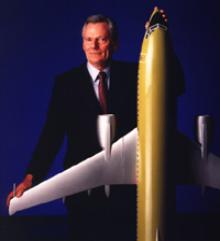
the restraint of federal price regulations. Southwest didn't cross state
borders - it flew entirely within the state of Texas - and, thus, didn't
Board. Southwest's drastically reduced fares helped the airline
become an immediate hit.
become an immediate hit.
Other airlines had foreseen Southwest's potential for success. In fact,
they tried to put a stop to the airline before it even got off the ground.
Texas International, Braniff, and Continental Airlines all fought
Southwest's arrival through litigation. It was Rollin King's attorney,
Herb Kelleher, who argued Southwest's case. Kelleher won and
The new airline began with four planes and fewer than 70 employees.
When it ran into financial trouble early on, Southwest was faced with a
dilemma - either sell one of its planes or lay off some of its employees.
Southwest made the unconventional choice - they sold the plane. In
return, the airline requested their employees cut gate turn-arounds
down to 15 minutes. The employees obliged, helping establish one of
the friendliest management/labor relationships in the airline industry.
Kelleher credits Southwest's employees for his company's success.
He states he simply hires the best people, treats them with respect,
and gives them the freedom to make decisions and to have fun just
being themselves.
On June 19, 2001, Kelleher stepped down from his day-to-day
responsibilities as CEO and President of Southwest, but he continues
to serve on its Board of Directors. In the 30 years since Rollin King
began the airline with Kelleher, Southwest has grown from a regional
upstart to the nation's fifth largest airline, and the most profitable in
history.
borders - it flew entirely within the state of Texas - and, thus, didn't
Board. Southwest's drastically reduced fares helped the airline
become an immediate hit.
become an immediate hit.
Other airlines had foreseen Southwest's potential for success. In fact,
they tried to put a stop to the airline before it even got off the ground.
Texas International, Braniff, and Continental Airlines all fought
Southwest's arrival through litigation. It was Rollin King's attorney,
Herb Kelleher, who argued Southwest's case. Kelleher won and
The new airline began with four planes and fewer than 70 employees.
When it ran into financial trouble early on, Southwest was faced with a
dilemma - either sell one of its planes or lay off some of its employees.
Southwest made the unconventional choice - they sold the plane. In
return, the airline requested their employees cut gate turn-arounds
down to 15 minutes. The employees obliged, helping establish one of
the friendliest management/labor relationships in the airline industry.
Kelleher credits Southwest's employees for his company's success.
He states he simply hires the best people, treats them with respect,
and gives them the freedom to make decisions and to have fun just
being themselves.
On June 19, 2001, Kelleher stepped down from his day-to-day
responsibilities as CEO and President of Southwest, but he continues
to serve on its Board of Directors. In the 30 years since Rollin King
began the airline with Kelleher, Southwest has grown from a regional
upstart to the nation's fifth largest airline, and the most profitable in
history.
| Former CEO of Southwest Airlines Herb Kelleher Video One Video Two Video Three Video Four Video Five |
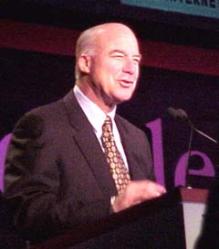
Michael Armstrong retired as nonexecutive chairman of the board of
Comcast Corporation in 2004. In a bold, historic move to reestablish
itself as an end-to-end carrier during the dot-com boom, Armstrong's
AT&T acquired two of the four largest U.S. cable-television
companies for $102 billion in 1998.
With the dot-com collapse, fraud-assisted telecom depression,
unyielding regulatory battles, high debt load, and the sheer
complexity and size of the acquisitions, Armstrong was forced to
break AT&T up in 2001. He had joined AT&T in 1997 after five and a
half years as chairman and CEO of the Hughes Electronics subsidiary
of General Motors Corporation. At Hughes, Armstrong expedited
development of DirecTV to establish one of the first digital-broadcast
Comcast Corporation in 2004. In a bold, historic move to reestablish
itself as an end-to-end carrier during the dot-com boom, Armstrong's
AT&T acquired two of the four largest U.S. cable-television
companies for $102 billion in 1998.
With the dot-com collapse, fraud-assisted telecom depression,
unyielding regulatory battles, high debt load, and the sheer
complexity and size of the acquisitions, Armstrong was forced to
break AT&T up in 2001. He had joined AT&T in 1997 after five and a
half years as chairman and CEO of the Hughes Electronics subsidiary
of General Motors Corporation. At Hughes, Armstrong expedited
development of DirecTV to establish one of the first digital-broadcast
| Former CEO of AT&T Michael Armstrong April 2005 Speech Video Q & A Video |
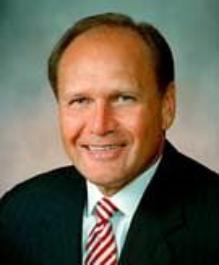
Under Nardelli's leadership since late 2000, The Home Depot has set
a clear strategy for continued growth by enhancing its core retail
network through distinctive and innovative merchandise, store
modernization and technology investments; extending its business
through new store formats, online sales and installation services; and
expanding to new geographies and professional customer segments.
As a result of this strategy, over the last four years, The Home Depot
has increased sales by 60 percent and earnings per share by 105
percent. By returning almost $9 billion to shareholders in the form of
stock repurchase and dividends, the company's shareholder return is
now best-in-class among companies listed on the Dow Jones
industrial average.
Nardelli's ability to transform, innovate and deliver strong financial
returns has gained widespread recognition. In naming him one of
2005's best managers, BusinessWeek stated that he "turned a $46
billion company focused on big-box stores into a $70 billion chain
with urban, suburban and international outlets."
| CEO of Home Depot Bob Nardelli October 2004 |
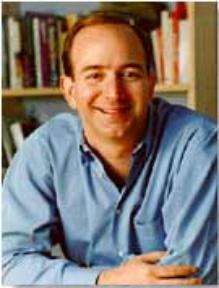
Jeff Bezos is the founder and CEO of Amazon.com. Amazon is
consistently ranked as one of the top retail sites on the Internet and
offers over one million titles via its Web site, located at
http://www.amazon.com.
After graduating from Princeton summa cum laude, Phi Beta Kappa,
in Electrical Engineering and Computer Science in 1986, Bezos
joined FITEL, a high-tech start-up company in New York. In 1988,
Bezos joined Bankers Trust Company, New York, leading the devel
opment of computer systems that helped manage $250+ billion in
assets and becoming their youngest vice president in February,
1990.
From 1990 to 1994, Bezos helped build one of the most technically
sophisticated and successful quantitative hedge funds on Wall Street
for D.E. Shaw & Co., New York, becoming their youngest senior vice
president in 1992.
Amazon.com is headquartered in Seattle, Washington.
consistently ranked as one of the top retail sites on the Internet and
offers over one million titles via its Web site, located at
http://www.amazon.com.
After graduating from Princeton summa cum laude, Phi Beta Kappa,
in Electrical Engineering and Computer Science in 1986, Bezos
joined FITEL, a high-tech start-up company in New York. In 1988,
Bezos joined Bankers Trust Company, New York, leading the devel
opment of computer systems that helped manage $250+ billion in
assets and becoming their youngest vice president in February,
1990.
From 1990 to 1994, Bezos helped build one of the most technically
sophisticated and successful quantitative hedge funds on Wall Street
for D.E. Shaw & Co., New York, becoming their youngest senior vice
president in 1992.
Amazon.com is headquartered in Seattle, Washington.
| CEO of Amazon Jeff Bezos Q&A October 2003 |
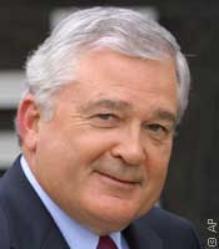
Gerstner is generally credited with having saved IBM from going out
of business. As described in his memoir, Who Says Elephants Can't
Dance?, when he arrived in April 1993, an active plan was in place to
disaggregate the company; the prevailing wisdom of the time held
that IBM's core mainframe business was headed for obsolescence.
The company's own management was in the process of allowing its
various divisions to rebrand and manage themselves — the so-
called "Baby Blues."
In his biography, Gerstner described the turnaround as difficult and
often wrenching for an IBM culture that had become insular and
Balkanized. Before he arrived, over 100,000 employees had lost
their jobs in a company that had maintained a lifetime employment
policy from its inception. Layoffs and other tough management
measures continued in the first two years of Gerstner's tenure, but
the company was saved, and business success has continued to
grow steadily since then, although the company is no longer deemed
the employer of choice that it once was.
of business. As described in his memoir, Who Says Elephants Can't
Dance?, when he arrived in April 1993, an active plan was in place to
disaggregate the company; the prevailing wisdom of the time held
that IBM's core mainframe business was headed for obsolescence.
The company's own management was in the process of allowing its
various divisions to rebrand and manage themselves — the so-
called "Baby Blues."
In his biography, Gerstner described the turnaround as difficult and
often wrenching for an IBM culture that had become insular and
Balkanized. Before he arrived, over 100,000 employees had lost
their jobs in a company that had maintained a lifetime employment
policy from its inception. Layoffs and other tough management
measures continued in the first two years of Gerstner's tenure, but
the company was saved, and business success has continued to
grow steadily since then, although the company is no longer deemed
the employer of choice that it once was.
| Former CEO of IBM Lou Gerstner November 2002 |
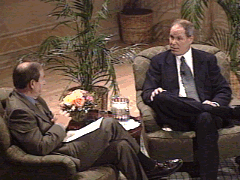
By 1995, Michael Eisner, the Chairman of the Board of The Walt
Disney Company was, without question, one of the two or three most
important men in Hollywood, or indeed anywhere in American
business. The merger of Disney with the communication
conglomerate Capital Cities/ABC made Michael Eisner the single
most powerful figure in the international communications industry.
After 20 years at the helm of Disney, Michael Eisner relinquished the
post of Chairman to his friend and longtime DIsney board member,
former U. S. Senator George J. Mitchell. He stepped down as Chief
Executive Officer in October, 2005. His record as a hit-maker and
dominant figure in the American entertainment industry remains
unparalleled.
Disney Company was, without question, one of the two or three most
important men in Hollywood, or indeed anywhere in American
business. The merger of Disney with the communication
conglomerate Capital Cities/ABC made Michael Eisner the single
most powerful figure in the international communications industry.
After 20 years at the helm of Disney, Michael Eisner relinquished the
post of Chairman to his friend and longtime DIsney board member,
former U. S. Senator George J. Mitchell. He stepped down as Chief
Executive Officer in October, 2005. His record as a hit-maker and
dominant figure in the American entertainment industry remains
unparalleled.
| CEO of Disney Michael Eisner October 5, 1999 |
| The Battle of Ideas |
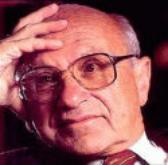
Milton Friedman, is one of the most highly influential economists,
political commentators and essayists of the century, Milton Friedman
is perhaps the best known living economist. An ardent opponent of
the Keynesian economics, Friedman led the "Monetarist" incarnation
of the Chicago School against the Keynesian orthodoxy in the 1960s
and early 1970s. (click here for our Survey of Monetarism)
Friedman wrote much on various aspects of economic policy. In
general, he argued that government discretionary "fine-tuning" of
the economy, as had been proposed by Keynesians, ought to be
replaced with iron "rules" of policy - notably his famous "money
supply growth" rule. He also wrote several popular volumes
advocating laissez-faire policies more generally. Friedman won the
Nobel Memorial prize in 1976.
political commentators and essayists of the century, Milton Friedman
is perhaps the best known living economist. An ardent opponent of
the Keynesian economics, Friedman led the "Monetarist" incarnation
of the Chicago School against the Keynesian orthodoxy in the 1960s
and early 1970s. (click here for our Survey of Monetarism)
Friedman wrote much on various aspects of economic policy. In
general, he argued that government discretionary "fine-tuning" of
the economy, as had been proposed by Keynesians, ought to be
replaced with iron "rules" of policy - notably his famous "money
supply growth" rule. He also wrote several popular volumes
advocating laissez-faire policies more generally. Friedman won the
Nobel Memorial prize in 1976.
| Milton Friedman Interview in 1998 |
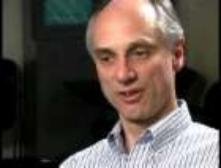
Dr. Klaus Lackner does a wonderful job describing our
environmental problems.
“Before the industrial revolution the atmosphere had 280 parts per
million of carbon dioxide. Today, the earths atmosphere has 370
parts per million. The difference is accounted to fossil fuels
consumed over the last 200 years.
The world is consuming 6 billion tons of carbon in the form of oil,
coal, and gas every year. In return the world is emitting 22 billion
tons of carbon every year. In perspective, the entire world of trees
emits 600 billion tons of carbon. In the course of a hundred years
we are emitting as much carbon as all the trees in the world.”
As we approached midway through the twentieth century only fossil
fuels controlled the majority of the world economies. By imposing
limits on U.S. emission of fossil fuels, foreign powers would gain
control of our “Commanding Heights”. These foreign powers could
be able to dictate our production levels and thereby controlling our
economy.
It would be unreasonable to expect the Kyoto Protocol to solve global
warming. In fact after fifteen years, the U.S. would have spent
billions of dollars and global warming would still be a problem. Kyoto
tries limiting the symptoms of the problem. The problem is that our
technology is incapable of stopping greenhouse emissions. The
problem will be solved when technology can competitively build zero
emission power plants and vehicles. The U.S. needs to invest their
money into solving the problem and not delaying the symptoms of
the problem. The focus should be on innovation, research and
development, and new technology.
environmental problems.
“Before the industrial revolution the atmosphere had 280 parts per
million of carbon dioxide. Today, the earths atmosphere has 370
parts per million. The difference is accounted to fossil fuels
consumed over the last 200 years.
The world is consuming 6 billion tons of carbon in the form of oil,
coal, and gas every year. In return the world is emitting 22 billion
tons of carbon every year. In perspective, the entire world of trees
emits 600 billion tons of carbon. In the course of a hundred years
we are emitting as much carbon as all the trees in the world.”
As we approached midway through the twentieth century only fossil
fuels controlled the majority of the world economies. By imposing
limits on U.S. emission of fossil fuels, foreign powers would gain
control of our “Commanding Heights”. These foreign powers could
be able to dictate our production levels and thereby controlling our
economy.
It would be unreasonable to expect the Kyoto Protocol to solve global
warming. In fact after fifteen years, the U.S. would have spent
billions of dollars and global warming would still be a problem. Kyoto
tries limiting the symptoms of the problem. The problem is that our
technology is incapable of stopping greenhouse emissions. The
problem will be solved when technology can competitively build zero
emission power plants and vehicles. The U.S. needs to invest their
money into solving the problem and not delaying the symptoms of
the problem. The focus should be on innovation, research and
development, and new technology.
| Dr. Klaus Lackner Professor of Columbia University |


ECD Ovonics (Nasdaq: ENER) is based on the twin pillars of
energy and information. The pillars are composed of our atomically
engineered materials (nanotechnology). We invent the materials,
the products, and the production technology.
Today, we are in a unique position of leadership and growth as the
hydrogen economy continues to evolve. With a full range of
advanced systems and solutions now in place, ECD Ovonics is
moving to be a global solutions provider. We are now entering one
of the most exciting times in our company's history: building
momentum to expand Ovonic™ Solutions worldwide.
energy and information. The pillars are composed of our atomically
engineered materials (nanotechnology). We invent the materials,
the products, and the production technology.
Today, we are in a unique position of leadership and growth as the
hydrogen economy continues to evolve. With a full range of
advanced systems and solutions now in place, ECD Ovonics is
moving to be a global solutions provider. We are now entering one
of the most exciting times in our company's history: building
momentum to expand Ovonic™ Solutions worldwide.
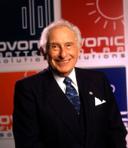
ECD Ovonics has maintained a strong core competence in
materials research and advanced product development throughout
its forty-plus year history, and the company protects the results of
these efforts through an extensive patent collection. Through the
leadership of our company's principal scientist, Stan Ovshinsky,
ECD Ovonics now holds more than 350 U.S. patents and more than
leadership of our company's principal scientist, Stan Ovshinsky,
ECD Ovonics now holds more than 350 U.S. patents and more than
coupled with more than forty years of accumulated background
know-how in the field, represent powerful intellectual assets that
form the basis for ECD Ovonics' many licensing agreements and
manufacturing and commercialization alliances.
The research and development team at ECD Ovonics, its
subsidiaries, and joint ventures are focused on the development of
new products and technology that will benefit our commercial
partners. At ECD Ovonics, we invent the technology, the products,
and production technology that will bring our vision to life.
materials research and advanced product development throughout
its forty-plus year history, and the company protects the results of
these efforts through an extensive patent collection. Through the
leadership of our company's principal scientist, Stan Ovshinsky,
ECD Ovonics now holds more than 350 U.S. patents and more than
leadership of our company's principal scientist, Stan Ovshinsky,
ECD Ovonics now holds more than 350 U.S. patents and more than
coupled with more than forty years of accumulated background
know-how in the field, represent powerful intellectual assets that
form the basis for ECD Ovonics' many licensing agreements and
manufacturing and commercialization alliances.
The research and development team at ECD Ovonics, its
subsidiaries, and joint ventures are focused on the development of
new products and technology that will benefit our commercial
partners. At ECD Ovonics, we invent the technology, the products,
and production technology that will bring our vision to life.


WiMAX is a standards-based wireless technology that provides can
be used for a number of applications, including "last mile" broadband
enterprise connectivity for business.
(VIDEO 1) (What can WiMax do?) (Wimax and Your Phone)
(Ironman Triathlon and WiMax) (Tower Stream Corp. & WiMax)
(New Zealand & WiMax) (Japan & WiMax) (Police & WiMax)
(Boating & WiMax) (Airship Called "STRATellite")
Matthew's Website on GlobeTel Communications
be used for a number of applications, including "last mile" broadband
enterprise connectivity for business.
(VIDEO 1) (What can WiMax do?) (Wimax and Your Phone)
(Ironman Triathlon and WiMax) (Tower Stream Corp. & WiMax)
(New Zealand & WiMax) (Japan & WiMax) (Police & WiMax)
(Boating & WiMax) (Airship Called "STRATellite")
Matthew's Website on GlobeTel Communications

From Wikipedia, the free encyclopedia
http://www.extremewimax.com
WiMax Equipment & Services
Digital Communities
http://www.extremewimax.com
WiMax Equipment & Services
Digital Communities
formed to promote and certify the compatibility and interoperability of
Broadband Wireless Access (BWA) products.
WiMAX Forum is comprised of industry leaders who are committed to
the open interoperability of all products used for broadband wireless
access.
* Support IEEE 802.16 standard
* Propose and promote access profiles for their IEEE 802.16
standard
* Certify interoperability levels both in network and the cell
* Achieve global acceptance
* Promote use of broadband wireless access overall
Broadband Wireless Access (BWA) products.
WiMAX Forum is comprised of industry leaders who are committed to
the open interoperability of all products used for broadband wireless
access.
* Support IEEE 802.16 standard
* Propose and promote access profiles for their IEEE 802.16
standard
* Certify interoperability levels both in network and the cell
* Achieve global acceptance
* Promote use of broadband wireless access overall

| Management Philosophy |
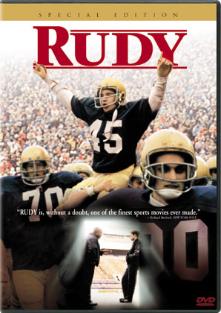
The real life story of Rudy was an incredible example of
having a vision and setting goals to accomplish the vision.
Even though many people around Rudy doubted his vision,
they never doubted his passion and drive to accomplish his
goals. This story is a testament to anyone seeking a dream.
Dreams come true if you set goals and have the passion to
accomplish them.
From being told he's not college material in high school to
being accepted into Notre Dame is a great story in itself.
Rudy's picture in the Notre Dame Football yearbook was right
next to freshman quarterback, Joe Montana.
It's the most incredible story I've ever heard. Never give up on
your dream! (Video)
having a vision and setting goals to accomplish the vision.
Even though many people around Rudy doubted his vision,
they never doubted his passion and drive to accomplish his
goals. This story is a testament to anyone seeking a dream.
Dreams come true if you set goals and have the passion to
accomplish them.
From being told he's not college material in high school to
being accepted into Notre Dame is a great story in itself.
Rudy's picture in the Notre Dame Football yearbook was right
next to freshman quarterback, Joe Montana.
It's the most incredible story I've ever heard. Never give up on
your dream! (Video)
| SONG OF THE MONTH |

| MatthewBest.Com |
| Matthew Best |
 | |  | |  |